eMail:hhb@gov.org Office Phone: +256663-054-76
Women's & Youth Affairs Directorate
Harar Regional Health Bureau
Championing gender equality, women's health rights, and youth empowerment across Harar's health system — ensuring no woman or young person is left behind.
6
Woredas Reached
3,400+
Youth Served/Year
18
Staff
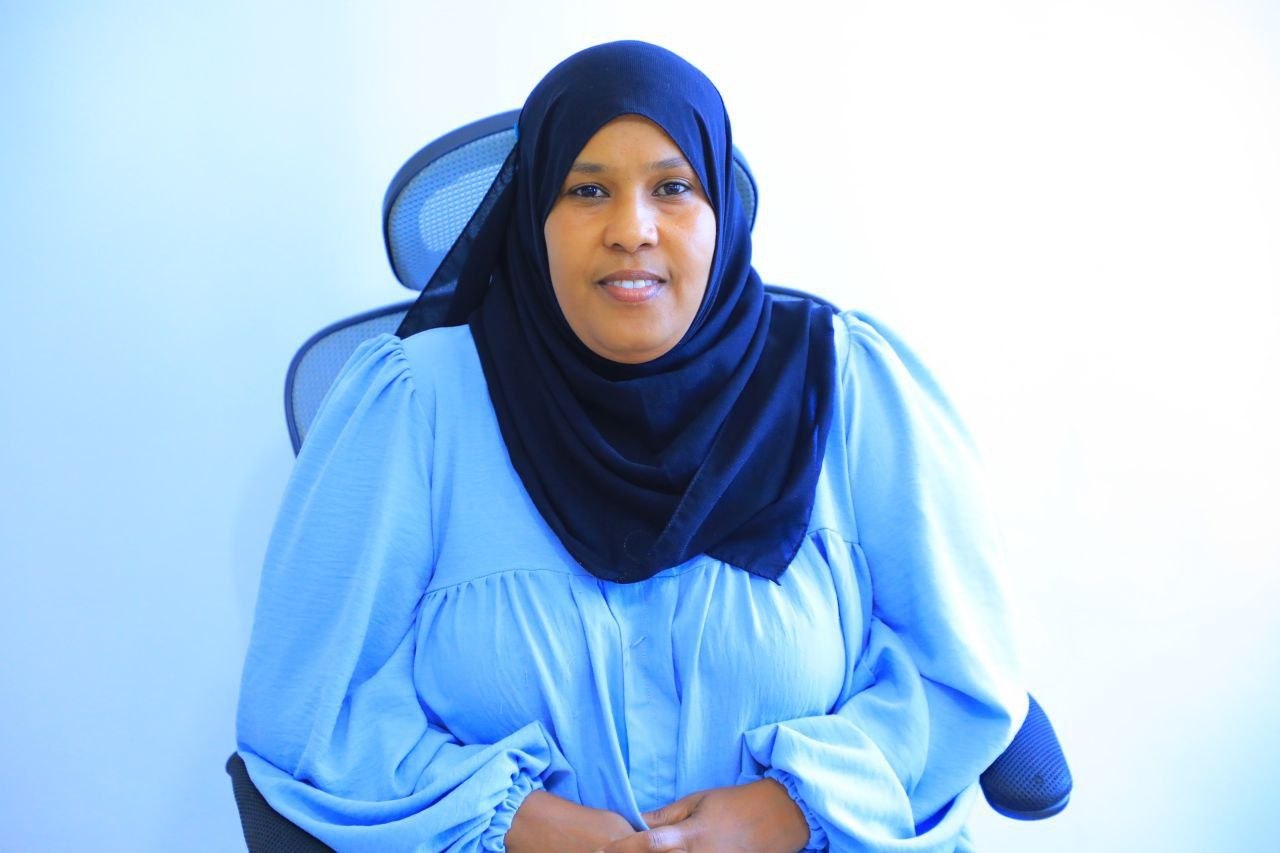
Mrs. Muna Ali
Director of Women's & Youth Affairs
Directorate Profile
The Women's and Youth Affairs Directorate of Harar Regional Health Bureau is established to mainstream gender and youth perspectives into all health programs and policies. It leads the Bureau's efforts in addressing gender-based violence (GBV), reducing harmful traditional practices, improving adolescent and youth sexual and reproductive health, and increasing women's leadership within the health workforce. The Directorate coordinates with regional Women and Children Affairs offices, civil society organizations, and community leaders to create an inclusive health system that responds to the unique needs of women, girls, and young people across all 6 woredas of the Harar region.
Mission
To promote gender-equitable, youth-responsive health services by integrating women's empowerment and adolescent health priorities into all Bureau programs — tackling GBV, harmful practices, and health disparities through community engagement, advocacy, and evidence-based interventions.
Vision
A Harar where every woman and young person enjoys full access to quality healthcare free from discrimination, violence, and harmful practices — with gender equality embedded at every level of the health system.
Core Values
Gender Equity
Protection
Inclusivity
Advocacy
Compassion
12
GBV One-Stop Centers
860
GBV Cases Managed/Year
45
Youth Health Clubs
92%
Skilled Birth Attendance
Objectives
01
GBV Prevention & Response
Strengthen GBV prevention, identification, and clinical management at all health facilities.
02
Maternal & Newborn Health Advocacy
Promote antenatal care, skilled delivery, and postnatal follow-up through community engagement.
03
Adolescent & Youth Health
Provide youth-friendly SRH services, peer education, and school health programs.
04
Combat Harmful Traditional Practices
Lead community-based campaigns against FGM, child marriage, and gender-discriminatory norms.
05
Women's Leadership in Health
Increase women's representation in health leadership, management, and decision-making roles.
06
Gender Data & Monitoring
Collect and analyze sex-disaggregated data to inform gender-responsive health planning.
Roles & Responsibilities
GBV Case Management & Referral
Manage clinical GBV services, maintain referral pathways, and follow up survivors across facilities.
Community Awareness & Advocacy
Organize community dialogues, IEC campaigns, and religious leader engagements on gender and health.
Youth-Friendly Service Coordination
Establish and support youth-friendly service corners in health centers and hospitals.
Anti-FGM & Child Marriage Campaigns
Lead behavioral change campaigns and coordinate with law enforcement on harmful practice reporting.
Gender Mainstreaming in Health Programs
Ensure all Bureau programs incorporate gender analysis and address disparities in access and outcomes.
Maternal Health Promotion
Support ANC uptake, birth preparedness, and community-based maternal health education.
School Health & Peer Education
Train peer educators, run school health clubs, and provide adolescent SRH information.
Partner & Stakeholder Coordination
Liaise with UNFPA, NGOs, Women's Affairs offices, and youth associations for joint programs.
Sex-Disaggregated Data Management
Ensure health data collection includes gender and age breakdowns for informed decision-making.
Capacity Building for Health Workers
Train health staff on gender-sensitive service delivery, GBV protocol, and youth-friendly approaches.
Organizational Units
GBV Prevention & Response
Women's Health & Empowerment
Youth & Adolescent Health
Community Mobilization
Gender Data & M&E